Introduction
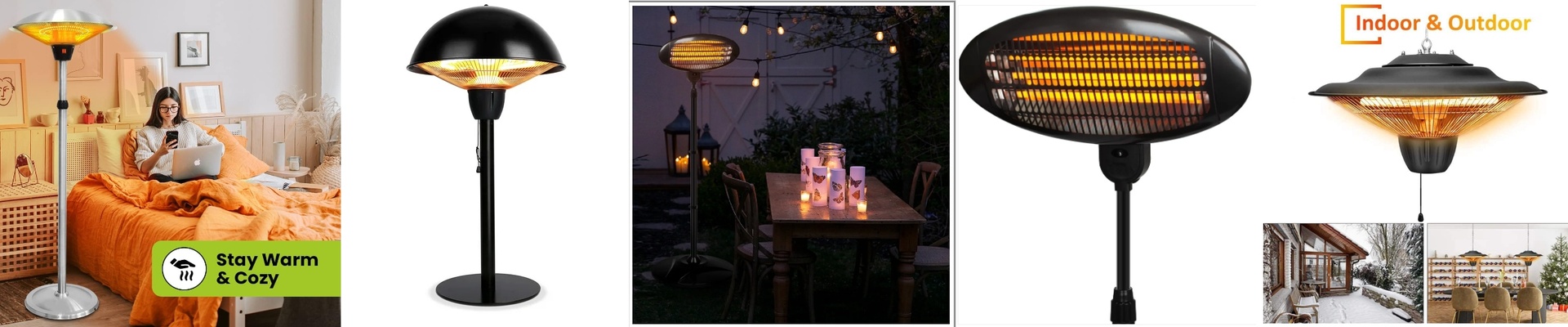
We built this greenhouse heater with one clear mission in mind: give you heat that hits fast, hits hard, and hits exactly where you need it. No more waiting around for the whole air in your greenhouse to warm up. The heart of it all is the infrared halogen tube. It’s all about waking your plants up quickly with direct warmth—targeting leaves, benches, and soil—instead of wasting energy on the empty air around them.
Power, Voltage, and Size—The Practical Details
Let’s get into the numbers, but keep it real. The heater runs on a2500Whalogen tube. We chose400Vbecause it keeps the electrical current lower, which means you don’t need heavy wiring or oversized switches. The tube itself is300mm long, which is a compact size that slips into tight spots. But it still packs the heat density needed for a fast warm-up. This setup isn’t by accident. Lower current at 400V means less voltage drop over distance and less strain on your connections. And the short tube concentrates all that wattage into a focused beam that delivers heat straight to the surface.
What It’s Made Of—And Why It Matters
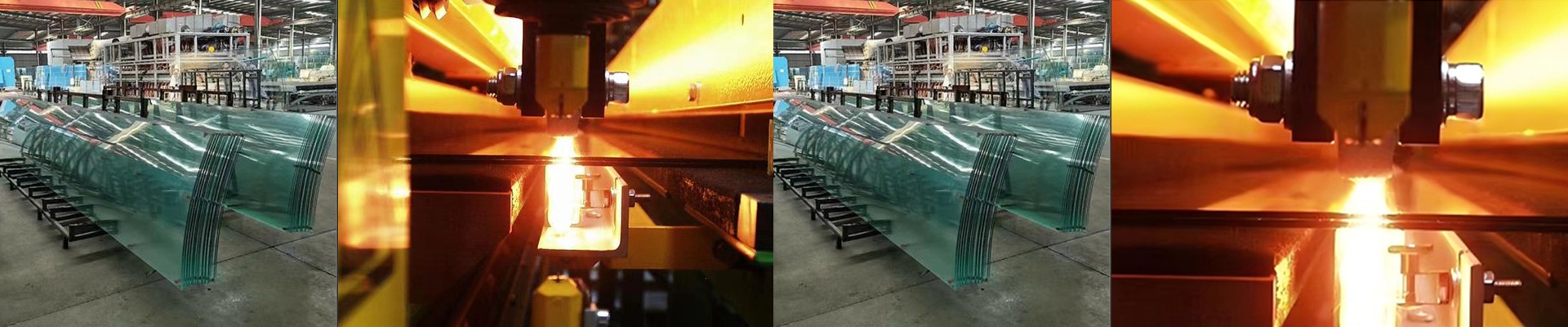
Inside, the heating element sits sealed in a quartz envelope, filled with halogen gas. That gas is doing the heavy lifting, running the halogen cycle. It continuously redeposits evaporated tungsten back onto the filament. So you get steady output and a longer life than you’d get from a standard incandescent heater. We also added a reflective coating on the tube. It pushes infrared energy forward, so the heat goes where you point it—not in every direction. And theR7s connector? It’s the simple, practical choice. Solid bi-pin contact, handles the heat, and installation is a straight drop-in on standard sockets.
How It Works for You in a Greenhouse
When dawn hits and the cold threatens to stall your plants, this heater cuts through it. Infrared warms plants, benches, and the soil surface directly, so you get a quick temperature rise right where growth happens. It starts fast, which helps you keep your daily cycle predictable. And because the heat is directional, you can zone it without trying to heat the entire structure.
A Quick Reality Check
Here’s the honest part:2500W at 400Vis serious heat density. That means you’ll want to plan your mounting location and ventilation. Aim the tube correctly, keep the socket running cool, and make sure nearby components can handle the local temperature. When you size it up and install it right, you’ve got a dependable way to deliver instant warmth exactly where your greenhouse needs it.