
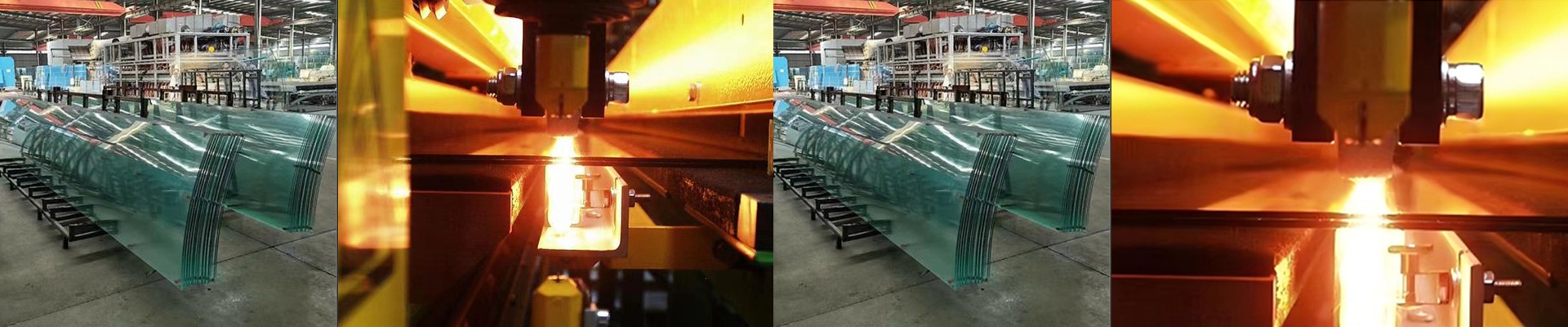
Ever notice how some batches of glass come out perfect, but the next set has these annoying cold spots? It’s frustrating. You check the furnace settings, and everything looks right on the screen, yet the quality is still all over the place. Here is the thing: the problem usually isn’t your temperature setting. It’s actually about how the heat is moving—or not moving—from the lamps to the glass. The gold secret Most folks use standard aluminum reflectors. They’re cheap, sure. But they wear out. Heat and oxidation eat away at them over time, and suddenly your heat is soaking into the furnace walls instead of hitting the glass. That’s why we use gold-coated plates. Gold doesn’t oxidize. It just stays reflective. It pushes the heat exactly where it needs to go, which keeps your temperature window tight and consistent across the whole zone. Stopping the “guessing game” Then there’s the lamp issue. If one lamp in your bank is even 5% weaker than the one next to it, you’ve got a problem. You get these thermal gradients that leave internal stress in the glass. To fix this, we use IR lamps that are incredibly consistent. Every square inch gets the same amount of power. The best part? You can stop “over-cooking” your batches just to make sure the weakest lamp does its job. That means no more burnt edges or warped pieces. The honest trade-off Now, I won’t lie to you—this setup costs more upfront. Gold reflectors aren’t as cheap as polished steel. And there is one catch: your power supply has to be rock solid. If your voltage is jumping around, it doesn’t matter how fancy your lamps are; the heat will fluctuate. If you want this to actually work, pair the hardware with a dedicated voltage regulator. It locks the wattage in place. Once you do that, the whole process stops feeling like a gamble and starts feeling like a science.