
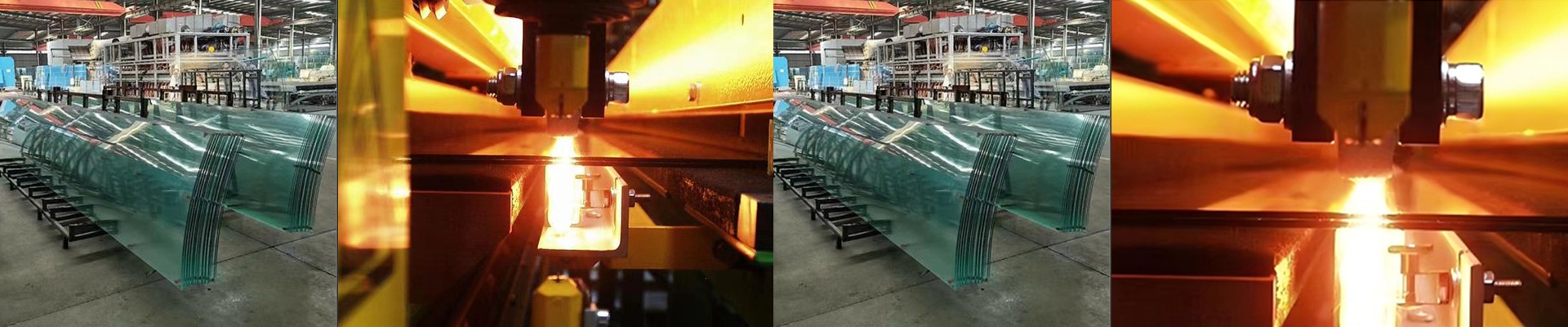

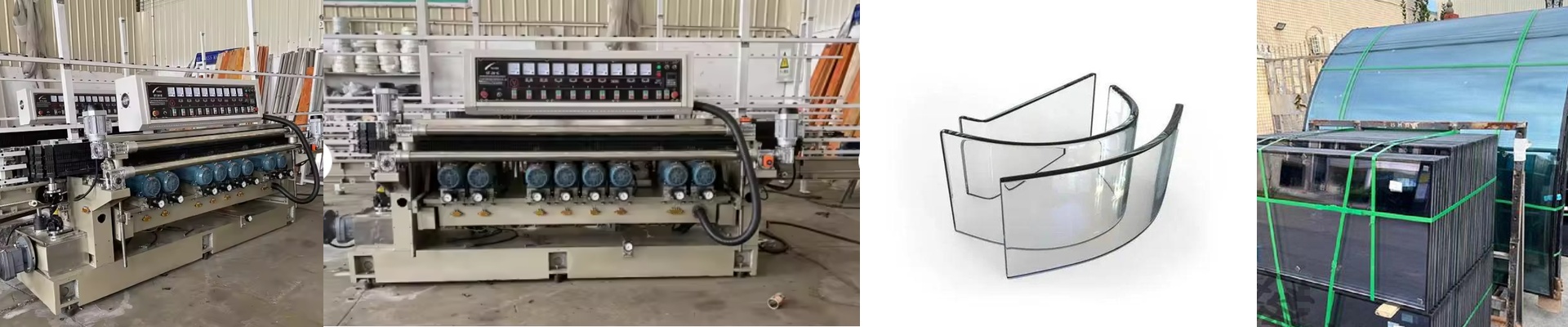
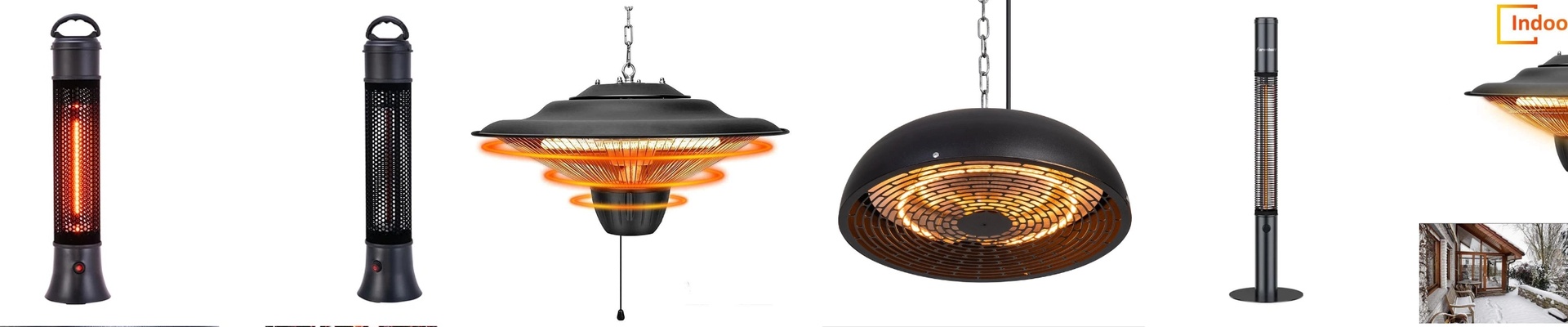
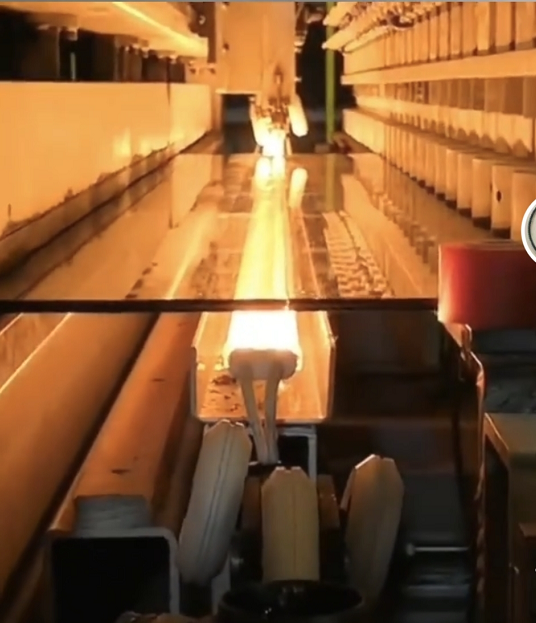
On the line, glass doesn’t wait. Tempering furnaces, bending stations, lamination presses—none of them forgive cold spots, sluggish ramps, or temperatures that drift. When the heat profile is off, you pay for it fast: stress fractures, optical distortion, and a whole shift eaten up by scrap. We built the twin tube infrared heating element to keep the thermal field stable, quick to respond, and repeatable shift after shift. What matters, technically Twin tube infrared elements throw short-wave energy with fast response and tight control. The quartz tube construction handles high temperatures, takes repeated on/off cycling, and holds consistent emissivity along the tube length. Power densities and voltage options are chosen so you can drop them straight into press, oven, and conveyor heating zones, with tungsten filaments tuned for NIR output. The twin geometry focuses the heat pattern into a uniform envelope, which cuts down gradients at the glass edges. You get rapid recovery after a door opens, minimal overshoot, and setpoints that stay put under real production load. Why this works where we run In tempering, the quench only works if the heating is even. Uneven heat gives you uneven stress, and that turns into breakage. In bending, the mold contact and gravity flow have to land the same way every cycle. In EVA or SGP lamination, the film needs a clean thermal soak—no scorching, no cold lamination. Twin tube infrared elements come up to temperature fast, hold steady, and trim energy use by getting rid of idle heat and unnecessary convection. On insulating glass sealing, the heat stays localized at the edge, so less heat bleeds into the cavity and the desiccant keeps doing its job. The payoff is higher yield, fewer rejects, and a line speed you can plan on. The practical details that make or break it Mounting and alignment matter. Clearance to the glass, reflector geometry, and airflow around the tubes all shape uniformity. Check electrical compatibility at the terminal block and match the control strategy to how fast the element responds. These run hot at the surface, so guarding and thermal management are not optional. Plan for clean power, controlled cooling, and routine inspection. Set up right, they hold steady through long shifts and keep maintenance low.
라인에서 유리는 기다려 주지 않는다. 템퍼링로, 벤딩 스테이션, 라미네이션 프레스—어느 것도 냉점, 느린 온도 상승, 또는 온도 편차를 용납하지 않는다. 열 프로파일이 어긋나면 빠르게 대가를 치른다. 응력 균열, 광학 왜곡, 그리고 스크랩으로 소비되는 한 교대 작업 전체가 그 예다. 우리는 열장을 안정적으로 유지하고 빠르게 반응하며 교대마다 반복 가능한 twin tube 적외선 히팅 엘리먼트를 개발했다.
기술적으로 중요한 점
트윈 튜브 적외선 엘리먼트는 단파 에너지를 빠른 반응 속도와 엄격한 제어로 방출한다. 쿼츠 튜브 구조는 고온을 견디며 반복적인 온/오프 사이클에도 내구성을 유지하고, 튜브 길이 전체에 걸쳐 일정한 방사율을 유지한다. 전력 밀도와 전압 옵션은 프레스, 오븐, 컨베이어 히팅 존에 바로 장착할 수 있도록 선택되며, 텅스텐 필라멘트는 NIR 출력에 최적화되어 있다.
트윈 구조는 열 패턴을 균일한 형태로 집중시켜 유리 가장자리의 온도 구배를 줄인다. 도어가 열리고 닫힌 후 빠른 회복, 최소한의 오버슈트, 그리고 실제 생산 부하 하에서 안정적인 설정값 유지가 가능하다.
우리가 적용하는 환경에서 이 방식이 효과적인 이유
템퍼링에서는 가열이 균일해야 냉각(quenCh)이 제대로 작동한다. 불균일한 가열은 불균일한 응력을 유발하며, 이는 파손으로 이어진다. 벤딩 공정에서는 금형 접촉과 중력 흐름이 매 사이클 동일하게 이루어져야 한다. EVA 또는 SGP 라미네이션에서는 필름이 균일한 열 침투를 받아야 하며, 과열 손상이나 냉접착이 없어야 한다.
트윈 튜브 적외선 엘리먼트는 빠르게 목표 온도에 도달하고 안정적으로 유지하며, 불필요한 대기열과 대류를 없애 에너지 사용을 절감한다. 단열 유리 실링 공정에서는 열이 가장자리에 국한되어 캐비티 내부로의 열 누출이 줄어들고, 건조제의 기능이 지속된다. 결과적으로 수율 증가, 불량 감소, 그리고 계획 가능한 라인 속도를 확보할 수 있다.
성패를 가르는 실무적 세부 사항
장착과 정렬이 중요하다. 유리와의 간격, 반사판 형상, 튜브 주변 공기 흐름이 모두 열 균일성에 영향을 준다. 단자대에서 전기적 적합성을 확인하고, 엘리먼트의 반응 속도에 맞는 제어 전략을 적용해야 한다.
표면 온도가 높기 때문에 보호장치와 열 관리가 필수적이다. 깨끗한 전원 공급, 제어된 냉각, 그리고 정기 점검을 계획하라. 적절히 설치하면 장시간 교대 작업에서도 안정성을 유지하며 유지보수 부담을 줄일 수 있다.