


Getting Your Glass Heating Right
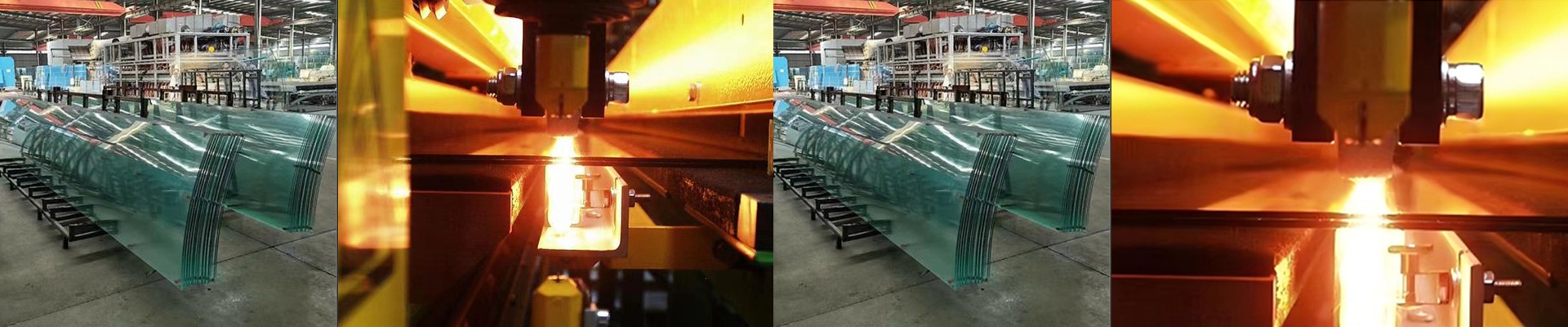
If you’ve spent any time bending glass, you know the headache of thermal distribution. One wrong spot and you’re looking at stress fractures or optical distortions that ruin the whole piece. That’s where the reflector comes in. Its only job is to push that infrared energy back into the glass instead of letting it bleed out into the machine frame. We built our reflectors to make sure that heat goes exactly where it needs to, without the usual nightmare of swapping out hardware.
The “It Doesn’t Fit” Headache
Here is the thing: most shops run into a wall when they try to upgrade their lamps. You buy the new gear, but it doesn’t fit the old sockets. Maybe you’ve got screw-in heads, or maybe some weird custom interface from twenty years ago. Usually, the mechanical footprint is what kills the project. We got tired of that. So, we designed an interface that actually fits. It’s a drop-in replacement. That means you can stop worrying about drilling new holes or messing around with your power distribution blocks. You just put it in and get back to work.
Heat, Focus, and a Few Warnings
We focused heavily on making installation fast. We standardized the mounting points so the lamp sits exactly where it should in the parabolic curve. Why does that matter? Because if your lamp is off-center by even a couple of millimeters, you get hot spots. And hot spots are the enemy. Now, we use materials that can take the brutal heat of shortwave IR lamps without warping. But a heads-up: when you make the reflection more efficient, you’re putting more heat load on your lamp housings. Just double-check that your cooling fans or water jackets can handle the extra density. You don’t want to burn out your lamp ends.
What This Actually Does For Your Shop
The best part about using a universal interface is the flexibility. You can switch between different lamp wattages or lengths without having to rip out the entire reflector assembly. It means you don’t have to keep a mountain of spare parts on the floor “just in case.” You can move from your old legacy systems to high-output arrays without tearing the whole machine apart. It’s just easier.