


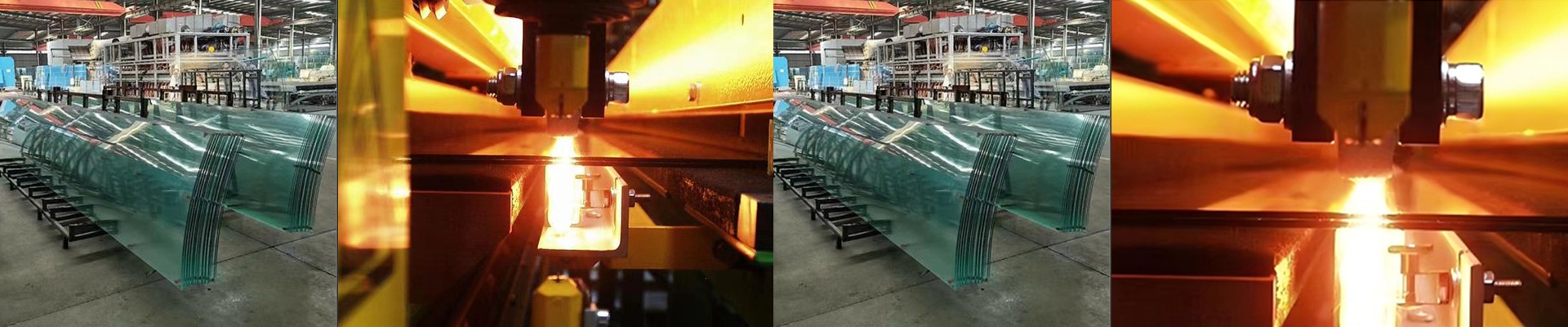


Fitting high-performance infrared (IR) elements into those tiny mobile glass repair brackets is a bit of a balancing act. You’re fighting for every millimeter of space, but you still need enough punch to get the glass up to temperature fast. You can’t just shrink a big industrial heater and hope for the best; it doesn’t work like that. You need a way to pack a ton of heat into a tiny area. The struggle with power and space To get that quick heat-up in a small kit, we lean on short-wave IR emitters. We use high-purity quartz tubing because it lets us push the filament to some seriously high temperatures without the tube warping or melting. But here’s the catch: voltage. When you’re working with mobile power, you don’t have a lot of room to play with. We spend a lot of time dialing in the wattage so the lamp hits the sweet spot without blowing a fuse or overloading the power supply. And because all that heat is so concentrated, you’ve got to be smart about the chassis. If you don’t add some venting or a decent heat sink, you’re basically frying your own electronics. Why quartz matters We stick with quartz because it’s basically invisible to IR radiation—the heat just sails right through. For these mobile kits, the way we shape the tube is everything. We keep the diameter tight to save space. The real headache, though, is the connection points. That’s where things usually break. Since these kits get tossed around in bags or vibrated in trucks, we use heavy-duty terminals. They can take a beating. Real-world warnings The beauty of these elements is that they’re precise. You can heat up a specific spot of adhesive or resin without baking the entire phone. But be careful. Short-wave IR ramps up fast. If an operator leaves the lamp on a second too long, you’ll see bubbles in the resin or, worse, cracked glass. It happens. To stop that from happening, we usually suggest pairing the heater with a simple timer or a PID controller. It takes the guesswork out of it and keeps the hardware from burning out.